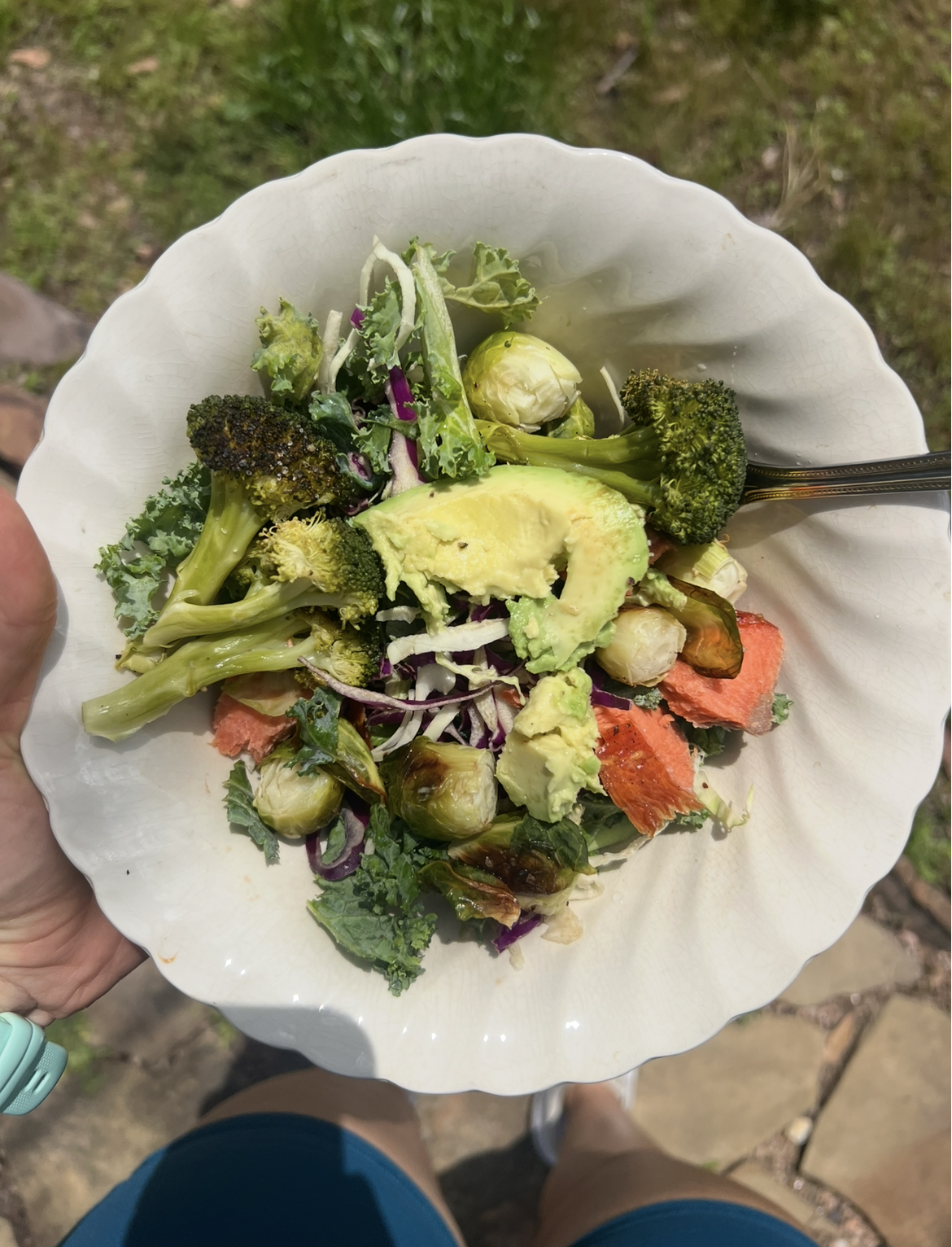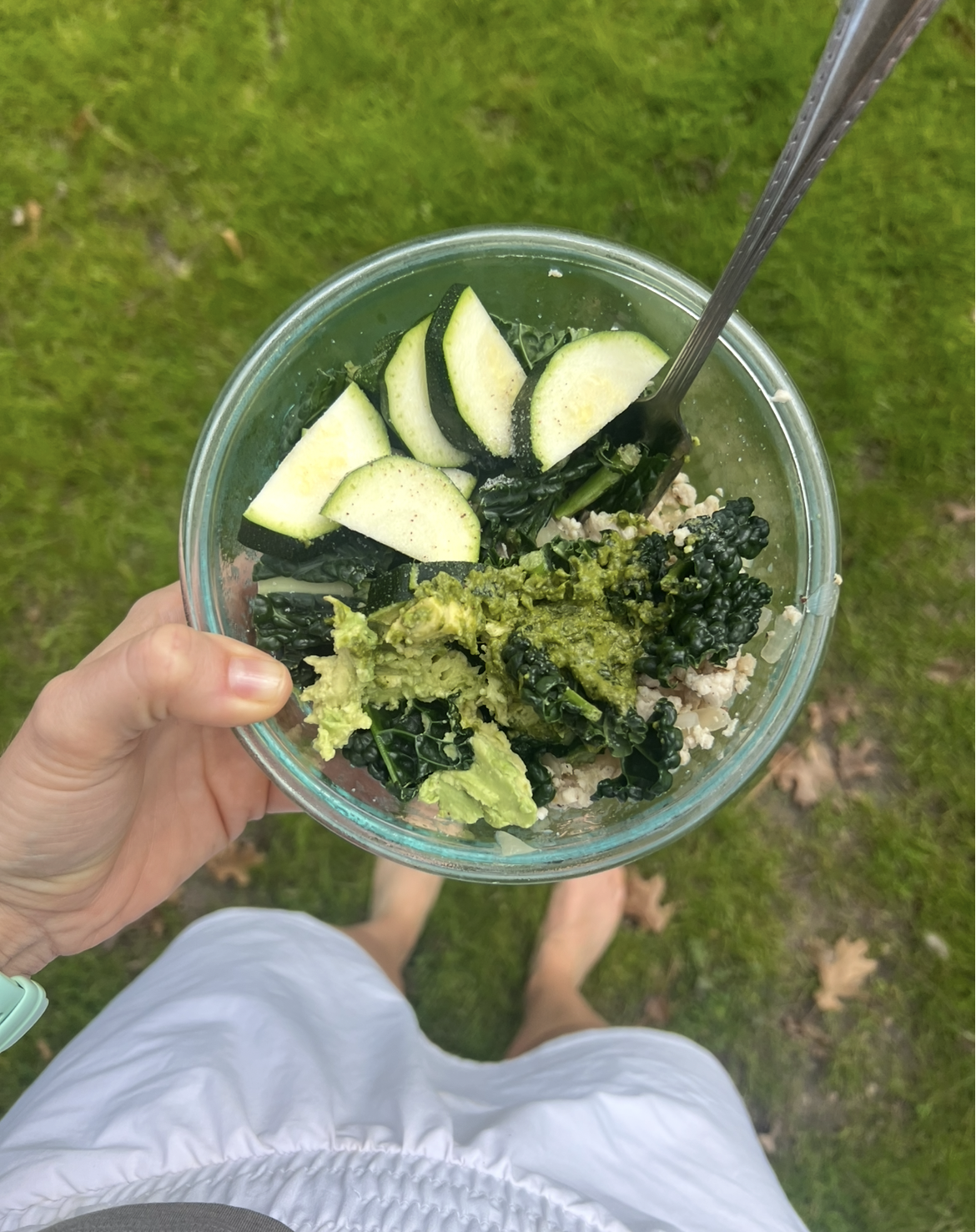
Potassium plays a very important role in preventing disease as we age.
Diets that are low in potassium are associated with a greater prevalence of atherosclerosis, or thickening of the arteries. (1.)
%20(2).jpg)
Getting enough potassium is also necessary to absorb other minerals, especially magnesium.
It is estimated that 98% of people are deficient in potassium, so most people would greatly benefit from getting more of this important mineral in their diet. (2.)
But, you have normal potassium on bloodwork, so why does it matter? It matters because that bloodwork is only showing you 1% of the amount of potassium in your body.
While we want blood levels of potassium to be within normal range (that is very important), the bloodwork only represents 1% of the potassium in the body.
Potassium is intracellular, meaning 99% is within the cell, so blood only points out to 1%.
Here are some other amazing things about potassium:
Potassium regulates blood pressure with sodium.
It helps maintain fluid and pH balance.
It sensitizes the cells to thyroid hormone, people with low potassium usually have hypothyroid or sluggish thyroid function.
It is involved in nerve conduction of the heart. When there isn’t enough potassium, sometimes there will be heart palpitations. It does lower the heart rate and dilate the arteries as well.
And here are some signs and symptoms of issues with potassium:
Potassium deficiency:
Allergies, constipation, fatigue, irregular heartbeats, low blood sugar, low blood pressure, muscle weakness, skin problems, edema, water retention.
Potassium excess (less common):
Depression, high blood sugar, muscle spasms, muscle weakness.
Easy ways to get more potassium through nutrition:
(Ironically, some of the best sources are also nutrient dense carbohydrates, like potatoes)
Coconut water or coconut products
Citrus fruits, especially oranges
Bananas
Cantaloupes
Dates
Apricots
Watermelon
Pomegranate
Salmon
Milk
Potatoes
Celery
Peas
Tomatoes
Beets
Dark, leafy greens (especially beet greens)
Acorn squash
Spinach
Avocado
Lima beans
Squash
One great way to check your mineral status is through a hair tissue mineral analysis. This takes a small sample of hair and checks for mineral levels, toxic elements, as well as how these minerals are impacting thyroid, adrenal, and even blood sugar balance. If you'd like to apply to have a test done with a consultation, click here.