It seems too simplistic to focus on. When we could workout harder, eat less, or stress more about any number of things, focusing on sleep can take a backseat.
However, your ability to have high quality, restorative sleep is an imperative part to preventing disease as you age.
With the rise of distractions such as screens, phones, and blue light (all which have a negative impact on our circadian rhythm and,therefore, sleep), many people have come out of the natural balance of this important aspect to health and wellness.
An unknown yet common sleep disruptor is insulin resistance, which can increase with age unless you do something about it.
Insulin resistance can lead to low blood sugar events and can cause us to wake up in the middle of the night.
Insulin resistance also has a negative impact on cortisol levels. When cortisol is dysregulated, melatonin (which helps the body sleep), is out of whack, as well.
For women, insulin resistance can increase during the luteal phase of their menstrual cycle, making sleep a challenge. Also, during peri-menopause/menopause, insulin resistance can greatly rise, as well, causing a negative loop as poor sleep leads to insulin resistance, as well.
That’s why learning how to decrease insulin resistance, no matter what stage of life you’re in, can be impactful. (If you’d like to see my self-paced program to help you do so, The Insulin Resistance Fix, click here.)
Here are a few ways to avoid sleep disturbances as you age, and why these disturbances are so destructive.
- Assess for and address obstructive sleep apnea.
If you have sleep apnea, it should be taken very seriously.
Obstructive sleep apnea is when the body does not receive oxygen (also referred to as apnea) for episodes during sleep. This process activates the release of inflammatory markers and predisposes individuals to cardiovascular disease and stroke.
Obstructive sleep apnea does not only increase the risk for stroke, but also for type 2 diabetes, which creates an even greater risk for death after a stroke.
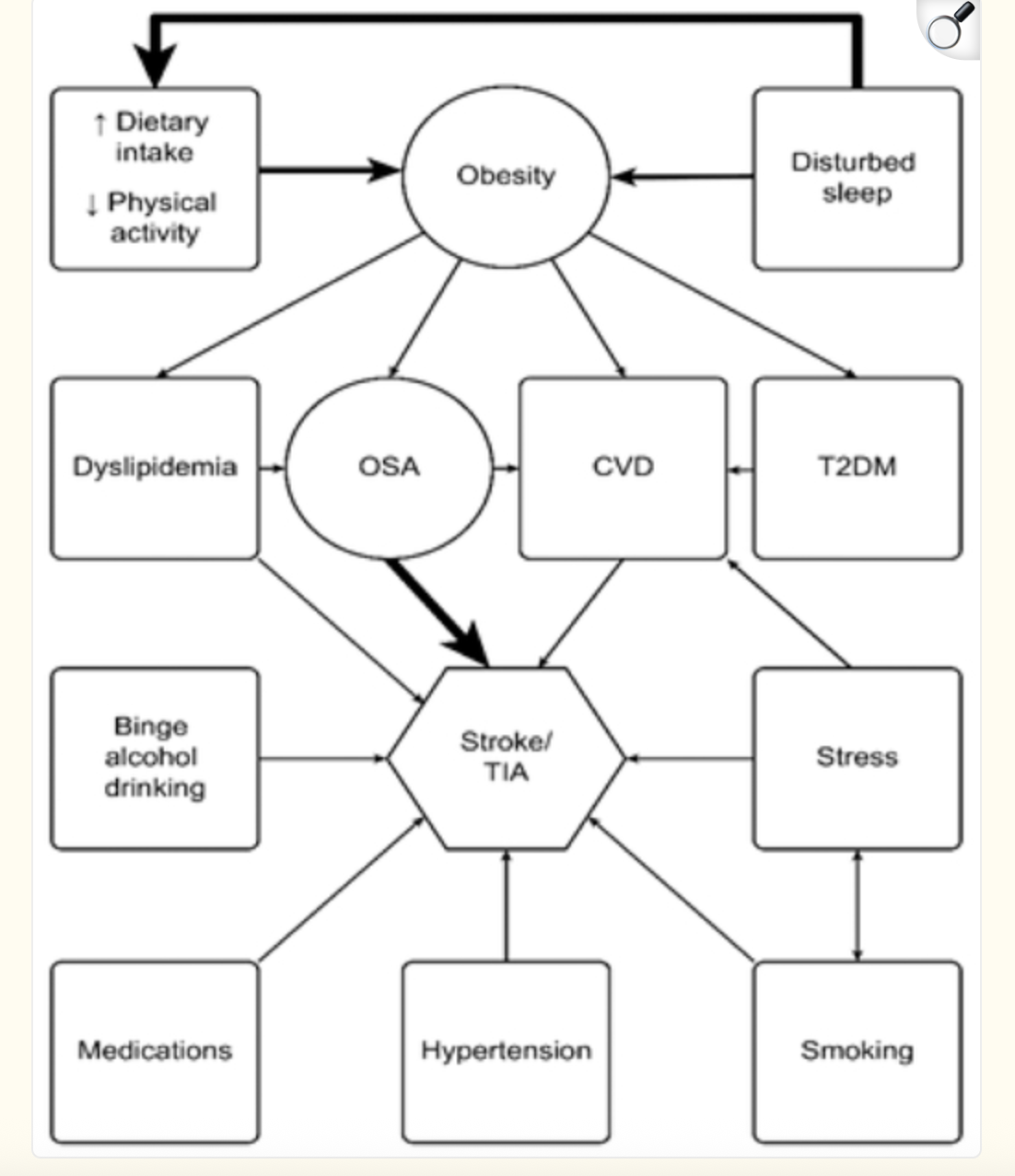
You can see, even disturbed sleep plays a key role in it all.
- Focus on getting enough sleep.
While there are many opinions on how much is enough, aim for more than 6 hours.
A study of 23,620 Europeans found that those who slept for less than 6 hours per day were 41% more likely to experience strokes and 44-78% more likely to experience heart attacks.
Not getting enough sleep also increases the desire for sugary foods, while increasing the risk for obesity. (See study here)
In addition, surprisingly, lack of sleep has a negative impact on gut health. (See study study here)
You could be doing “all the right things,” but if it’s impacting your sleep negatively, it could be making matters worse.
- Understand that not being conscious does not equal restorative sleep. And that sleeping pills are making matters worse.
Despite sleeping aids being a $65 billion a year market, 50-70 million Americans still suffer from sleep disorders, while 1 in 5 people in the UK do not get enough sleep.
The market, however, is a complete scam.
Most sleeping pills are sedatives, they are not sleep aids.
What this means is that when you take them, you are sedated or unconscious. Because this is done through sedating the brain, the brain’s ability to initiate restorative sleep is compromised. Therefore, taking sleeping pills decreases sleep quality, and therefore, increases health issues.
One study found that people who took sleeping pills were twice as likely to die as those who did not.
Why would that be??
Because sleep is powerful. But being comatose in its place is destructive.
The same could be applied to passing out drunk.
Sure, you might “sleep.” But do you really get high quality sleep?
When you become drunk and intoxicated you are sedated. Therefore, the brain does not enter the sleep cycle. This is why alcohol is associated with fragmented and disturbed sleep.
- Your sleep is your greatest detox tool.
Our glymphatic system is the system that clears waste from our brain. It is imperative to have a healthy, functioning glymphatic system to age well and prevent disease.
What causes the glymphatic system to function and to turn on? Sleep. Entering sleep is like an "on" button for the glymphatic system.
The glymphatic system is not as active when we are awake, but it is in full swing when we are asleep.
Aging well and preventing disease requires our habits to be in line. And sleep is one of the most impactful tools to help you do so. Want to see a youtube video on the subject, click here.
This is how I help my clients come off of years of dependency on sleeping aids, naturally. And you can, too. Do you need help creating better sleep? Click here to apply to join my one on one coaching program.