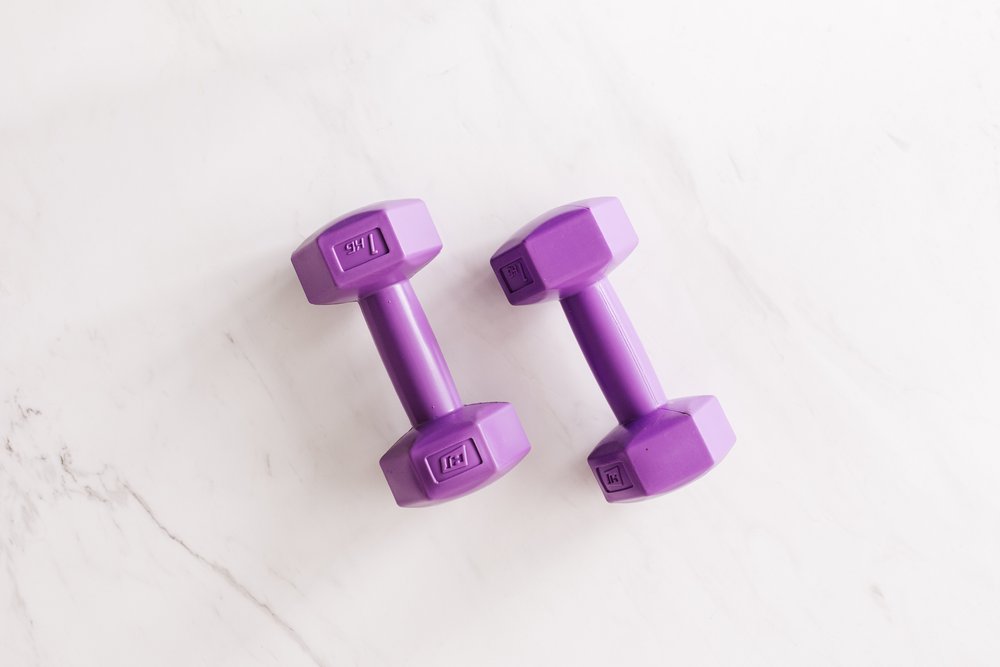
Maybe you’ve heard lifting heavy weights is how to build strong bones as you age.
While this is a valuable tool, it’s not the only answer.
As with most things, the medical community, and even the health and wellness realm, has really missed the ball. It’s a lot easier to focus on one quick fix, rather than seeing things as requiring multiple aspects to healing.
Such as - you just need to intermittently fast to heal insulin resistance. Not true. And in some cases, it makes it worse (like those dealing with hypoglycemia).
For building strong bones, it is no different.
You have doctors recommending medications like Fosamax. However, meds like these have side effects such as irritating stomach and inflaming the esophagus, severe muscle and joint pain, death of bone tissue inside of the jaw (there are class action lawsuits against the companies now for this), triggering flu like symptoms upon administration, doubling the risk for atrial fibrillation, low blood calcium levels, eye inflammation, fatigue, nausea, poor kidney function, and poor healing of bones after fractures.
Sounds awesome!
In January of 2008, the FDA issued an alert that all biphosphonates (the class of medications Fosamax is under) may cause:
“Severe and sometimes incapacitating bone, joint, and/or muscle pain…which may occur within days, months or years after starting the medication, and in some patients, may not resolve even after discontinuing the medicine.”
Is that healing? Is that health? Do as you wish, but if you’d like a better way. Continue reading.
How is new bone created?
By a phenomenal process called bone remodeling.
Bone remodeling is the process of old or damaged bone being replaced with new bones. This is done through a process of cellular events that happen without any change in the bone’s shape.
How amazing is the human body?
One problem with drugs like Fosamax is that while they claim to help the bones rebuild, they are actually leaving the bone with “old bone” that fractures more easily.
Bone remodeling is a required process to aging well and having healthy bones. We want to support the process of taking out with the old and in with the new. (Rather than just adding more of the old like Fosamax does.)
So how do we naturally support bone growth? Here are 5 tips.
1. Movement
Bone growth depends on signals that are created from loading weight on the body - impact, weight lifting, movement. We must avoid being sedentary.
Walking. Jumping. And yes, lifting some weights, will greatly improve impact.
Keep moving - bone growth happens as a result of weight being carried by the body. So by being sedentary, or by not moving, we are eliminating the load carried by our bones.
Also, as we have all heard, bone density matters. However, it is not at the heart of the problem.
Bone density matters, but so does elasticity and mobility.
When healthy bones undergo stress, they bend to accommodate that stress then spring back to their shape.
Whereas if it is brittle, once it bends, it will break.
Bones must be able to bend and accommodate stress just as much as they should be dense.
Most scans for bone health (like Dexa scans) only focus on density, when in reality, it is so much more than that.
Here's a workout video focusing on jumping, which has been shown to stimulate new bone growth. Click here.
2. Hormones
Many people know that estrogen decline during menopause in women leads to osteoporosis.
However, estrogen is not the primary hormone involved in bone elasticity. The primary hormone for that is the most overlooked hormone in women’s health: progesterone.
Progesterone does decline with age - especially after menopause. And unlike the health risks associated with estrogen supplementation, progesterone does not carry the same risks.
In addition, women who are still in their fertile years, would be well advised to produce as much progesterone as possible. Why? Because it will dictate bone health with age.
Progesterone is a by-product of ovulation. And many women shut down this process knowingly through birth control pills, or unknowingly, through excessive stress, poor diet, or lifestyle factors. Every time a woman ovulates and produces progesterone, it is like an investment into the piggy bank of her future health. But no one talks about that, do they?
For men, testosterone levels are helpful for bone health with aging. However, the severity of positive impact is much lower. Meaning yes they need to support testosterone, but for bone health, unlike women’s hormones, it is not a huge of a driving force.
3. Decrease insulin resistance
Excessive insulin drives bone loss.
This is due to a number of factors, including the increase in inflammation that is an impact of insulin resistance.
Your blood sugar balance is your quality of life as you age, and decreasing insulin resistance impacts everything, even bone health.
4. Support vitamins and minerals
Of course we need calcium, but did you know without enough Vitamin K we cannot absorb Calcium into our bones and teeth?
Vitamin D, Magnesium, and Boron just to name a few are vital for healthy bones.
Eating a nutrient dense diet, one with protein, collagen, and minerals and vitamins will support strong bones.
… and Support stomach acid
An overlooked aspect to being able to absorb the nutrients from the food we are eating is to support stomach acid production. This production declines as we age. And many people who are chronically stressed have poor stomach acid. If you do not have good stomach acid you will not absorb the nutrients from the food you are consuming.
This is one reason drugs like Prilosec (used for acid reflux, it decreases stomach acid) are associated with osteoporosis.
5. Chronic stress - embrace slowing down.
Chronic stress alone has been linked to osteoporosis.
Why?
Because hormones that are elevated during chronic stress decrease bone density. Stress increases glucocorticoids.
Taking steroids like prednisone (which is a glucocorticoid) is associated with weakening bones.
On the same hand, chronically elevated levels of cortisol, a byproduct of stress, breaks down bones.
Also, stress leads to depletion of minerals like magnesium, which are required for healthy bones.
Having strong and healthy bones as you age is possible.
It is, however, so much more than one thing. It is more than lifting weights.
Need help building strong bones to help you age well? Click here to apply to join Wellness in Bloom today.
You can also see a free video on the subject here.