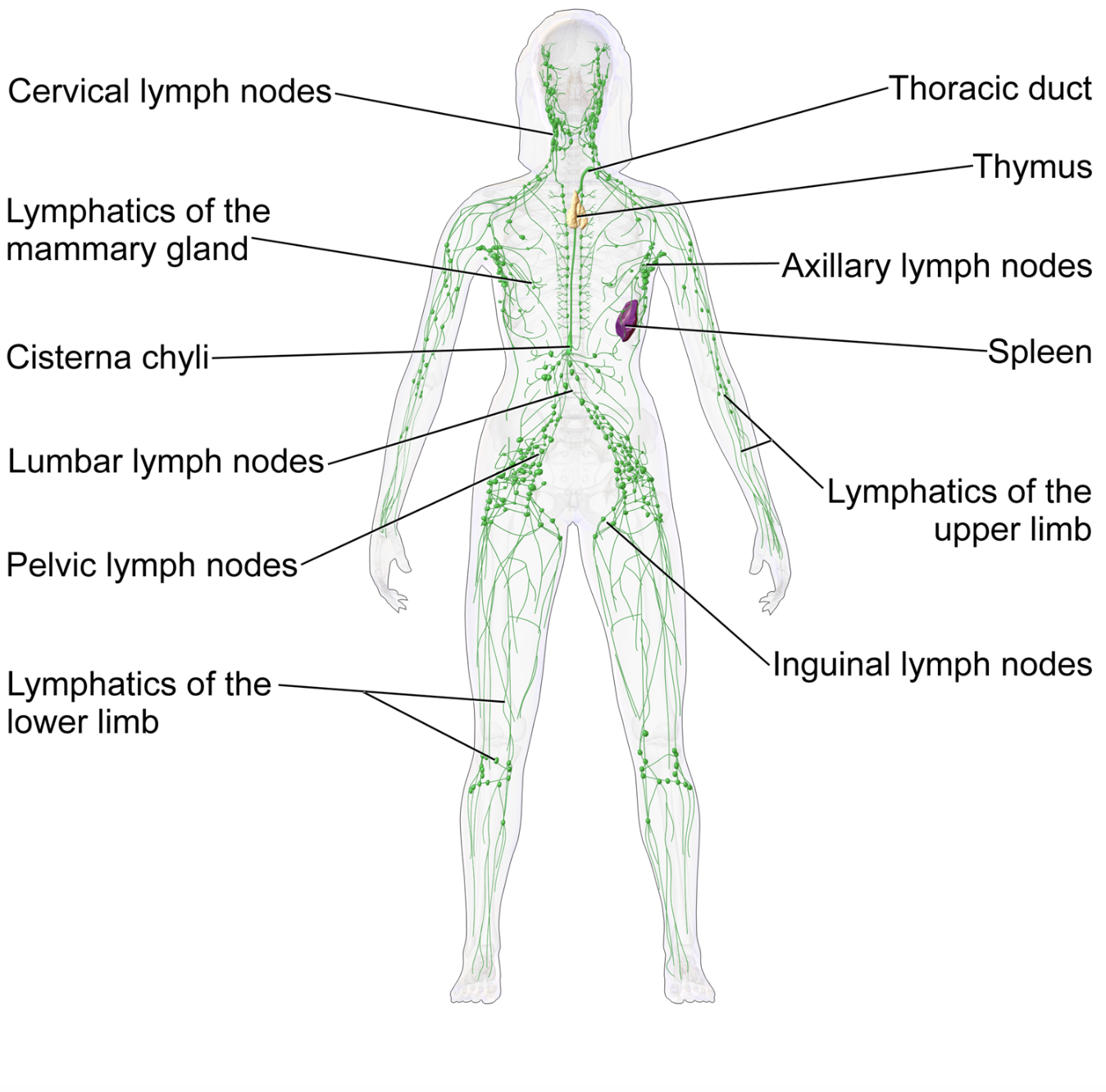
You might be familiar with your lymphatic system, or maybe even lymph nodes.
Lymph nodes are part of the lymphatic system that can become inflamed or enlarged when sickness or disease is present.
The lymphatic system helps us to fight disease and infection and is made up of vessels and tissues that run all throughout our body. Much like the circulatory system that carries blood throughout our body, the lymphatic system carries fluid and healing properties throughout our entire body.
A large difference between the circulatory system and the lymphatic system is that our lymphatic system doesn’t have a heart. For our circulatory system, the heart provides a pressure system (think of heart pumping and blood pressure) that forces the flow and return of blood throughout the body.
The lymphatic system does not have that. It is dependent on other factors to promote flow and to avoid stagnation.
We want to have a “flowing river.”
Improving your lymphatic health is imperative to aging well and eliminating toxins.
What is the glymphatic system?
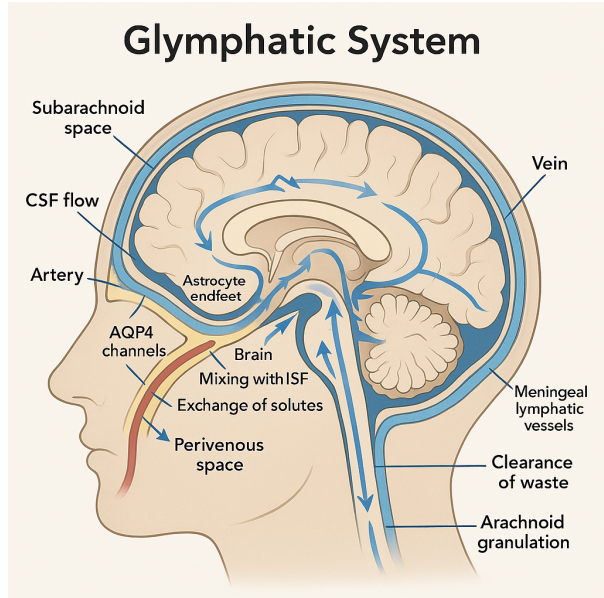
The glymphatic system helps to rid the brain and nervous system of toxins.
Essentially, the glymphatic system serves as the brain’s “plumbing system,” as it carries fluid in and out of the brain in a very organized fashion.
It is dependent upon cerebral spinal fluid (CSF) being brought into the brain tissue. Then, as arteries in the brain pulsate with each heartbeat, they “pump” this fluid into areas inside of the brain. While there, this CSF mixes with fluid in the brain and picks up waste. The fluid and waste then collect around veins and then drain out of the brain.
Specifically, proteins associated with Alzheimer’s disease (amyloid-β and tau) are shown to be removed from the brain via the glymphatic system. It also helps to remove other metabolites and excess fluid, therefore preventing harmful build up.
The active process is not constantly going on behind the scenes.
A key feature to note is that this process becomes very active during sleep.
During deep sleep, the brain’s interstitial space expands, resistance to flow drops, and the clearance of toxins via the glymphatic system increases dramatically.
While we are awake, however, neurotransmitters like norepinephrine cause the interstitial space to contract, blocking glymphatic flow.
A healthy, functioning glymphatic system is imperative to a healthy, disease free life as we age.
Here are 5 ways to support your glymphatic system naturally:
1. One of the best things you can do to support this system is to get high quality sleep.
During sleep, our brain cleans itself and rids the body of build up. This elimination process has been shown to decrease the risk for cognitive decline and Alzheimer’s disease.
2. Support your natural circadian rhythm with light. Get to bed at a good hour and get morning light.
Getting natural light, especially in the morning, has been shown to have a positive impact on glymphatic flow. One of those reasons could be that red light (the type of light emitted at sunrise and sunset), has a positive impact on our sleep/wake cycle. With the imperative aspect of high quality sleep in proper glymphatic function, this makes perfect sense.
Red light therapy has been shown to increase glymphatic drainage and clearance, making it a simple, effective way to support our brain health.
3. Exercise supports glymphatic drainage. The glymphatic system is shown to be dependent upon a strong cardiovascular system to bring fluid to the brain and help take it away.
4. Avoid excessive alcohol consumption.
Intermediate to high levels of alcohol were shown to decrease glymphatic function. But the good news is that after 24 hours of sobriety, adequate glymphatic flow returned.
5. Anti-inflammatory diet and lifestyle.
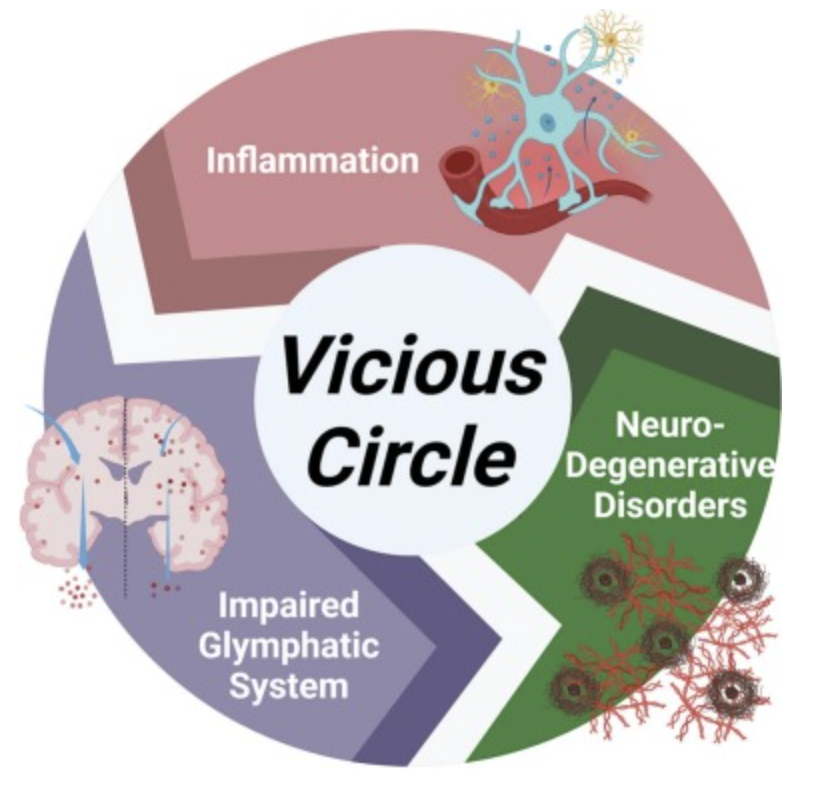
Chronic inflammation has been shown to have a negative impact on glymphatic flow.
While doing things that decrease inflammation were shown to have a positive impact. Some of the top sources of low grade inflammation with aging include: insulin resistance, stress, and an inflammatory diet.
Our glymphatic system is one of those amazing things that goes on in the background to help keep our body healthy and functioning well. But our daily actions can either hinder or support its ability to do so.
Do you need help improving your habits to age well and prevent disease? Click here to apply to join Wellness in Bloom today.